Israel Supporters Confront College Democrats
Supporters of Israel are growing more collaborating with College Democrats to reshape campus conversation. By uniting their initiatives around common values like progressive causes, they strive to create meaningful conversations about the Israeli-Palestinian conflict. This partnership endeavors to amplify liberal perspectives while encouraging compassion in a polarized environment. However, the ramifications of this collaboration raise critical questions about student perspectives and the direction of advocacy on campuses. What difficulties and possibilities lie ahead for these student factions?
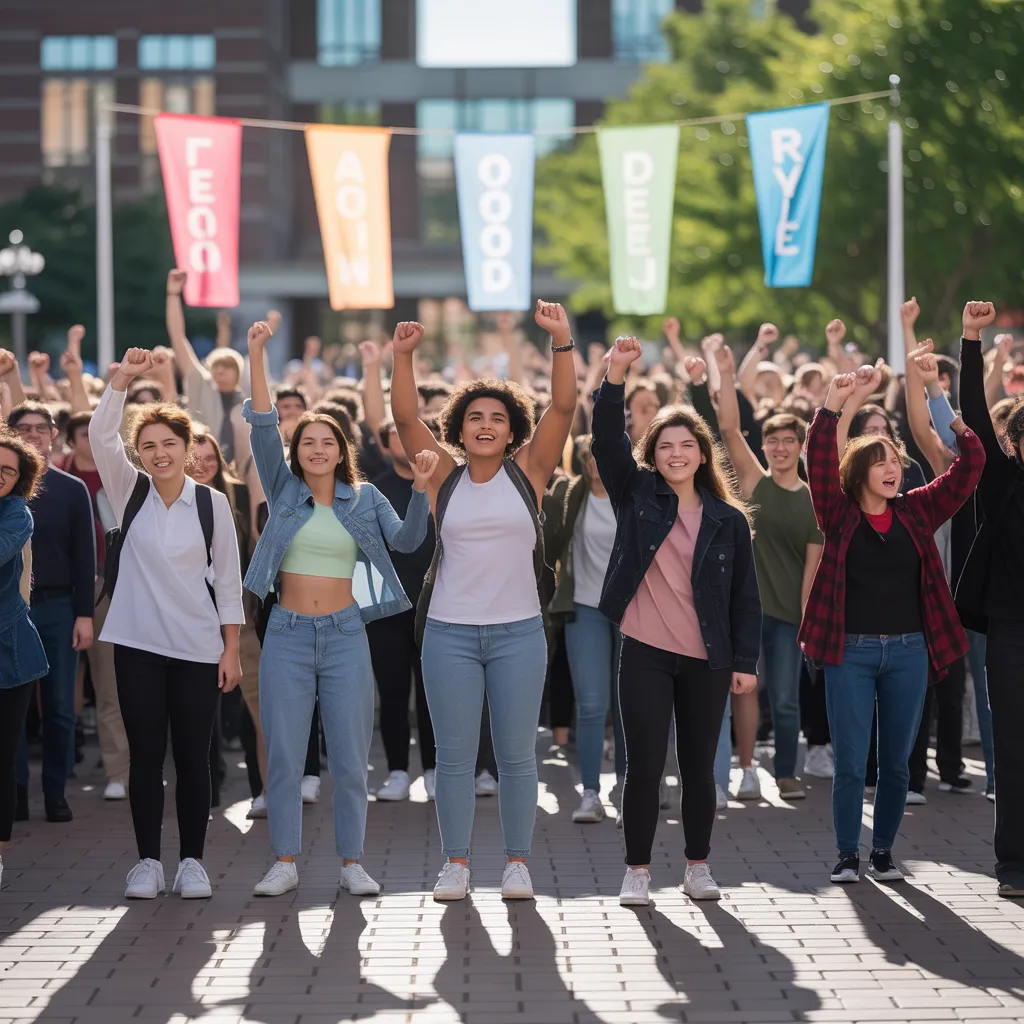
The Increasing Presence of Pro-Israel Movements on University Campuses
As pro-Israel activism gains momentum on college campuses, its effect on student discourse and political engagement becomes increasingly evident. This wave is redefining conversations surrounding international relations, particularly regarding the Israeli-Palestinian conflict. Pro-Israel groups are organizing events, bringing in notable speakers, and encouraging discussions that showcase Israel's democratic values and cultural contributions. These initiatives often engage a diverse audience, including those who may have been unfamiliar with the topic.
In addition, the activism has prompted students to engage more critically with broader world affairs, fueling debates that reach beyond university borders. Many students find themselves reconsidering their viewpoints on global diplomacy, while other students become active participants in activist campaigns. This evolving landscape represents a transformation in how democratic activity is approached, with pro-Israel perspectives increasingly becoming a part of the broader campus conversation. The impact of these advocates is not only apparent in debate but also in shaping the democratic characters of young scholars.
Involving Students: Pro-Israel Tactics on Campus
Pro-Israel advocates are utilizing a range of approaches to meaningfully connect with students on college campuses. These efforts frequently encompass organizing academic gatherings, like seminars and roundtable discussions showcasing specialists in Middle Eastern affairs and Israeli heritage. By providing platforms for informed dialogue, these groups seek to address false narratives and foster a well-rounded perspective on Israel's significance in world events.
Social media efforts serve as another critical approach, leveraging platforms popular among students to promote favorable stories about Israel. Additionally, pro-Israel groups are creating partnerships with numerous university groups to foster collaborations that emphasize shared values, such as innovation and democratic ideals.
To further their outreach, these coalitions often encourage student-driven initiatives by training advocates to express their positions with clarity. This comprehensive strategy not only seeks to galvanize support but also seeks to develop a better educated student community concerning the nuances of the Israeli-Palestinian issue.
How College Democrats Are Shaping Political Discussions
Campus Democratic organizations are taking a central role in driving political dialogue on campus, frequently centering conversations on critical topics including equity and social justice. Through organized activism, they mobilize student engagement and build a spirit of unity among diverse perspectives. This effect not only drives campus-level discussions but also reaches further than the campus, reflecting broader political trends.
Influencing Campus Political Dialogue
Student activism on campus has reached new heights as College Democrats immerse themselves in political discourse. These students are shaping conversations around critical issues, from climate change to social justice, and profoundly affecting the political landscape. By coordinating gatherings, leading debates, and promoting open conversation, they foster a culture of engagement among their peers. Their efforts consistently highlight progressive refer to resource viewpoints, supporting a range of opinions while questioning conventional thinking. This engagement not only informs their members but also influences broader campus sentiments. Additionally, College Democrats often collaborate with various organizations, creating a network of activists dedicated to social change. By means of these initiatives, they serve a vital function in influencing political conversations across campuses, creating opportunities for the next generation of political leaders.
Empowering Student Activism Efforts
Mobilizing student activism has emerged as an influential presence on campuses, with College Democrats taking the lead in political dialogue. By coordinating rallies, events, and open discussions, they consistently bring their peers together in important matters, cultivating an environment of open dialogue and awareness. These efforts often extend beyond party lines, encouraging participation from diverse groups and amplifying progressive ideals. Through online campaigns and alliances with regional organizations, College Democrats simultaneously enlighten and galvanize students to champion policies aligned with the priorities of their generation. This grassroots approach reinforces the value of student perspectives in influencing the political landscape, ensuring that the concerns of students are represented in broader political discourse and impacting outcomes both on and off campus.
Exploring a Range of Diverse Viewpoints
As student activism flourishes on campuses, College Democrats serve a crucial function in influencing political discussions by championing varied points of view. This engagement fosters an environment where varying viewpoints are not only welcomed but actively encouraged. By integrating perspectives from varied backgrounds, these bodies question established narratives and champion diversity in political discussion.
Through collaborative events, forums, and open discussions, the College Democrats establish spaces for marginalized communities, allowing for a more nuanced awareness of complex issues. Such an approach not only enhances the conversation within their ranks but also shapes wider campus discussions. As they navigate contrasting viewpoints, College Democrats demonstrate the importance of solidarity across differences, thereby preparing students for forthcoming political participation in a complex society.
Comprehending Student Outlooks on Israel Amid Increasing Unrest
How do students manage their views about Israel amid escalating global tensions? In a growing climate of division, numerous students struggle with complicated feelings surrounding Israel. On one side, some demonstrate firm support for Israel, highlighting historical bonds and democratic ideals. Conversely, some champion Palestinian rights, shaped by social justice causes and demands for equality. This contrast commonly results in passionate conversations across university grounds, where students aim to communicate their positions while encouraging open dialogue.
A great number of students mention experiencing pressure to establish a clear position, reconciling individual values with the pursuit of group acceptance. This has prompted forums and discussions aimed at bridging divides, yet the underlying tensions remain palpable. As external conflicts impact internal dialogues, students are becoming more aware of the value of candid conversation while maneuvering their evolving views on Israel and its implications for global peace and justice.
Impactful Pro-Israel Initiatives on Campus
Pro-Israel programs on college campuses frequently emphasize compelling educational programs that promote understanding of Israel's historical background and culture. These initiatives are strengthened by establishing strong connections with various student organizations, fostering a collaborative environment for dialogue. Together, these initiatives aim to build a more aware and encouraging campus climate surrounding the topic of Israel.
Captivating Learning Campaigns
Engaging awareness-driven programs have become a critical method for promoting comprehension and advocacy for Israel on higher education institutions. These campaigns frequently include workshops, speaker series, and informational booths aimed at challenging false narratives and encouraging open exchange about the history and modern realities of Israel. By incorporating diverse digital resources, including digital outreach and engaging presentations, pro-Israel organizers meaningfully connect with a wide range of students. Working alongside campus departments bolster the legitimacy of these programs, facilitating nuanced discussions that resonate with young academics. Additionally, focusing on mutual ideals, for instance, innovation and democracy, fosters connection across varied campus populations. Ultimately, these campaigns fulfill an essential purpose in cultivating informed perspectives and fostering productive discussions concerning Israel and its broader impact.
Forming Strategic Alliances
Collaboration serves as a cornerstone for meaningful pro-Israel initiatives on college campuses, nurturing a network of support that transcends individual organizations. By forming strategic coalitions with various student groups, pro-Israel organizers improve their outreach and effectiveness. These partnerships often involve connecting with diverse demographics, including multicultural and political organizations, to create a broader understanding of Israel's significance. Joint events, workshops, and discussions can overcome barriers to knowledge and promote dialogue, ultimately nurturing a more informed campus environment. In addition, connections with faculty and administration can provide necessary resources and legitimacy to efforts. Through these joint efforts, pro-Israel movements solidify their presence, encouraging a more comprehensive discourse surrounding Israel and cultivating a supportive atmosphere for its advocacy on campus.
Patterns in Student Activism: The Future of Pro-Israel Participation
As student activism continues to evolve, the terrain of advocacy for Israel on college campuses is undergoing significant change. More and more, pro-Israel activists are embracing new approaches that resonate with younger demographics. This shift includes utilizing social media platforms to strengthen their voice and reach a broader audience. Joint initiatives between pro-Israel groups and a range of student associations are coming to fruition, promoting dialogue and shared perspectives.
Furthermore, the integration of learning programs, such as workshops and speaker events, works to enlighten students about Israel's past and its place in global politics. This direction highlights a expanding understanding that conventional advocacy techniques may not prove adequate in a quickly shifting political environment. As campus activism grows more varied, support for Israel on campuses is likely to become more inclusive, focusing on collective values and shared perspectives. Such a direction could strengthen the success of pro-Israel advocacy, ultimately shaping the future of campus discussions surrounding the Israeli-Palestinian conflict.
Strategies for Handling University Dialogues About Israel
Navigating campus dialogues about Israel can be challenging, especially given the wide range of opinions and intense feelings involved. To engage effectively, individuals should first approach discussions with an open mind, understanding that varying opinions exist. Mindful hearing is crucial; it promotes comprehension and conveys appreciation for others' viewpoints.
Using factual information and credible sources can anchor discussions in reality, steering clear of the dangers of false information. Encouraging constructive dialogue rather than confrontational debates may yield more fruitful communication. Finding shared principles proves advantageous, such as a shared commitment to peace and security, which may provide a solid groundwork for conversation.
To conclude, acknowledging the emotional weight of the issue empowers attendees to address sensitive issues with consideration. By preserving a courteous manner and concentrating on dialogue rather than debate, students can foster a more thoughtful and compassionate campus atmosphere concerning the complexities of Israel-related discussions.
Answers to Your Most Common Questions
Which Major Organizations Are Behind Pro-Israel Activism on University Campuses?
Leading entities championing Israel-focused activism on college campuses consist of the Israel on Campus Coalition, Hillel International, StandWithUs, and AIPAC. These entities strive to advance awareness and support for Israel among students and campus communities.
How Do Pro-Israel Activists Measure Their Success on College Campuses?
Pro-Israel activists gauge their effectiveness on university campuses by tracking heightened student participation, participation in events, positive campus-wide policies, and greater student understanding of Israel's story. Participation rates and online engagement additionally function as essential metrics.
What Challenges Do Pro-Israel Activists Face From Student Groups?
Supporters of Israel experience challenges from student organizations that propagate contrary perspectives, encounter organized protests, suffer from constrained resources, and need to handle campus politics, which tend to lean toward anti-Israel positions, making more difficult their advocacy and community efforts considerably.
Are There Any Notable Alumni Involved in Pro-Israel Activism?
Several distinguished graduates take part in pro-Israel activism, comprising influential business leaders, politicians, and philanthropists. Their work helps shape policy and public opinion on Israel, fostering support within diverse communities and institutions.
How Does Social Media Impact Pro-Israel Activism Among College Students?
Social media boosts pro-Israel movements among the student body by facilitating information sharing, mobilizing support, and creating networks. Such platforms support swift distribution of content, encouraging participation and unity, while enabling counter-narratives to be addressed effectively.